As post-viral syndromes become more prevalent, many are turning to integrative approaches. Here is a look at how ozone therapy is being used to support recovery. In the wake of recent global health challenges, there has been a significant rise in post-viral syndromes, including conditions often referred to as long COVID or chronic fatigue following …

As post-viral syndromes become more prevalent, many are turning to integrative approaches. Here is a look at how ozone therapy is being used to support recovery.
In the wake of recent global health challenges, there has been a significant rise in post-viral syndromes, including conditions often referred to as long COVID or chronic fatigue following viral infections. For many, the lingering exhaustion, brain fog, and physical depletion can be debilitating. As standard medical treatments often focus primarily on symptom management, a growing number of individuals are exploring integrative and complementary therapies.
One such approach gaining attention is ozone therapy. While it has been utilized in various forms for decades, its potential role as a post-viral fatigue treatment and general wellness support is now under a renewed spotlight. In this guide, we will explore what ozone therapy is, how it works, and what the current landscape of evidence says about its use.
What Is Ozone Therapy?
Ozone (O3) is a highly reactive form of oxygen consisting of three oxygen atoms. In a medical or wellness context, ozone therapy involves introducing medical-grade ozone gas into the body to elicit a therapeutic response. The core concept is that this controlled introduction creates a mild, transient oxidative stress, which in turn prompts the body’s natural antioxidant defenses and supports cellular function.
There are several common delivery methods for ozone therapy:
- Ozone autohemotherapy: This involves drawing a small amount of the patient’s blood, mixing it with medical-grade ozone, and then reinfusing it back into the bloodstream.
- Insufflation: Introducing ozone gas into body cavities (such as rectal or ear insufflation).
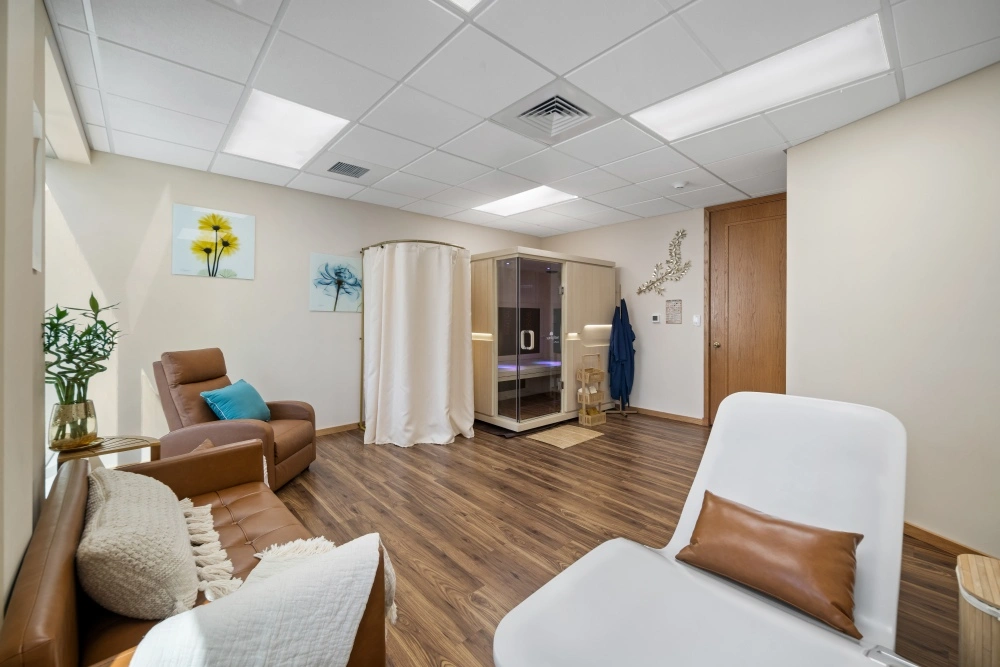
- HOCATT Ozone Sauna Systems: A transdermal approach where the individual sits in a specialized cabinet that combines steam, heat, and ozone gas, allowing for absorption through the skin.
Proponents suggest that these methods help with oxidative stress modulation, mitochondrial support (the energy powerhouses of our cells), and immune system regulation. By stimulating the body’s natural healing mechanisms, ozone therapy aims to create an environment where the body can better repair itself.
Post-Viral Fatigue and Why Recovery Is Hard
Post-viral fatigue syndrome is characterized by a profound sense of tiredness that does not improve with rest and is often worsened by physical or mental exertion. Symptoms can include severe muscle aches, cognitive difficulties (often described as brain fog), joint pain, and disrupted sleep patterns.
Recovery is notoriously difficult because standard medical options are frequently limited. The exact mechanisms of post-viral syndromes like long COVID are still being studied, but they often involve chronic inflammation, mitochondrial dysfunction, and lingering immune system dysregulation. Because conventional medicine often lacks a single “cure” for these complex, systemic issues, many patients seek out complementary therapies that aim to support the body’s innate healing and energy-production pathways, making long COVID recovery support a major area of integrative health focus.
How HOCATT Ozone Sessions Work
For those looking for a non-invasive introduction to ozone therapy, the HOCATT ozone sauna system has become a highly sought-after choice. HOCATT stands for Hyperthermic Ozone and Carbonic Acid Transdermal Therapy. It combines several modalities into one comprehensive session.
During a session, you sit inside a specialized cabinet with your head exposed to the room air. This is crucial to prevent the inhalation of ozone gas, which can be irritating to the lungs. The session typically lasts about 25 to 30 minutes. Initially, the cabinet fills with steam and carbonic acid to open the pores and significantly increase circulation. Following this, the ozone gas is introduced into the chamber.
Clients often report experiencing a deep, relaxing sweat, similar to a traditional sauna experience but with the added element of ozone interacting directly with the skin. Sessions are usually recommended in a series, depending on the individual’s specific wellness goals, current health status, and practitioner recommendations.
Reported Benefits
It is important to clearly distinguish between anecdotal reports from patients and rigorous clinical evidence. Many individuals who incorporate ozone therapy into their recovery protocols report significant subjective improvements. The most commonly claimed benefits include:
- Energy Support: By potentially supporting mitochondrial function and cellular respiration, users often report a noticeable reduction in profound fatigue and an increase in daily stamina.
- Enhanced Circulation: The combination of heat (hyperthermia) and ozone may help improve blood flow, microcirculation, and oxygen delivery to vital tissues.
- Detoxification: Sweating heavily in a HOCATT sauna supports the body’s natural detoxification pathways, helping to eliminate metabolic waste.
- Immune Support: The mild, controlled oxidative stress induced by ozone is thought to act as a hormetic stressor—helping to modulate, balance, and strengthen the overall immune response over time.
Current Evidence & Regulatory Status
While the anecdotal reports are promising and offer hope for many, it is crucial to understand the current state of clinical evidence. Ozone therapy is not FDA-approved for treating any disease in the United States.
Research into ozone therapy, particularly for highly complex post-viral syndromes, is still in its early stages. Some smaller international studies and clinical observations suggest potential benefits for managing chronic inflammation, reducing oxidative stress, and mitigating fatigue. However, large-scale, double-blind, placebo-controlled trials are currently lacking. Therefore, ozone therapy is generally utilized as a complementary or integrative approach—a supportive tool used alongside, rather than as a replacement for, conventional medical care.
Safety Considerations
Like any therapeutic intervention, ozone therapy carries potential risks and is not suitable for everyone. Prioritizing safety is paramount. Key considerations include:
- Contraindications: Ozone therapy is generally contraindicated for individuals with G6PD deficiency (a genetic enzyme disorder), pregnant women, and those with certain active cardiovascular conditions, hyperthyroidism, or severe bleeding disorders.
- Inhalation Risks: Ozone gas is toxic to lung tissue; it must never be inhaled directly. This is why HOCATT systems keep the head outside the cabinet and why clinical environments are strictly controlled with proper ventilation.
- Practitioner Expertise: It is absolutely vital to seek treatment only from trained, certified practitioners who use medical-grade equipment and adhere to strict safety protocols. Always ask about a practitioner’s training and experience.
Conclusion
Navigating recovery from a post-viral syndrome can be a long, complex, and frustrating journey. For some individuals, integrative approaches like ozone therapy and HOCATT sessions offer a valuable piece of the recovery puzzle, providing targeted support for cellular energy, immune regulation, and overall foundational wellness.
If you are struggling with post-viral fatigue and are curious about how therapies like this might fit into your holistic recovery plan, the first step is gathering information and consulting with a knowledgeable professional who can assess your unique situation.
Ready to explore your wellness options?
Schedule a consultation with our team to discuss if our integrative therapies are right for your recovery journey.